
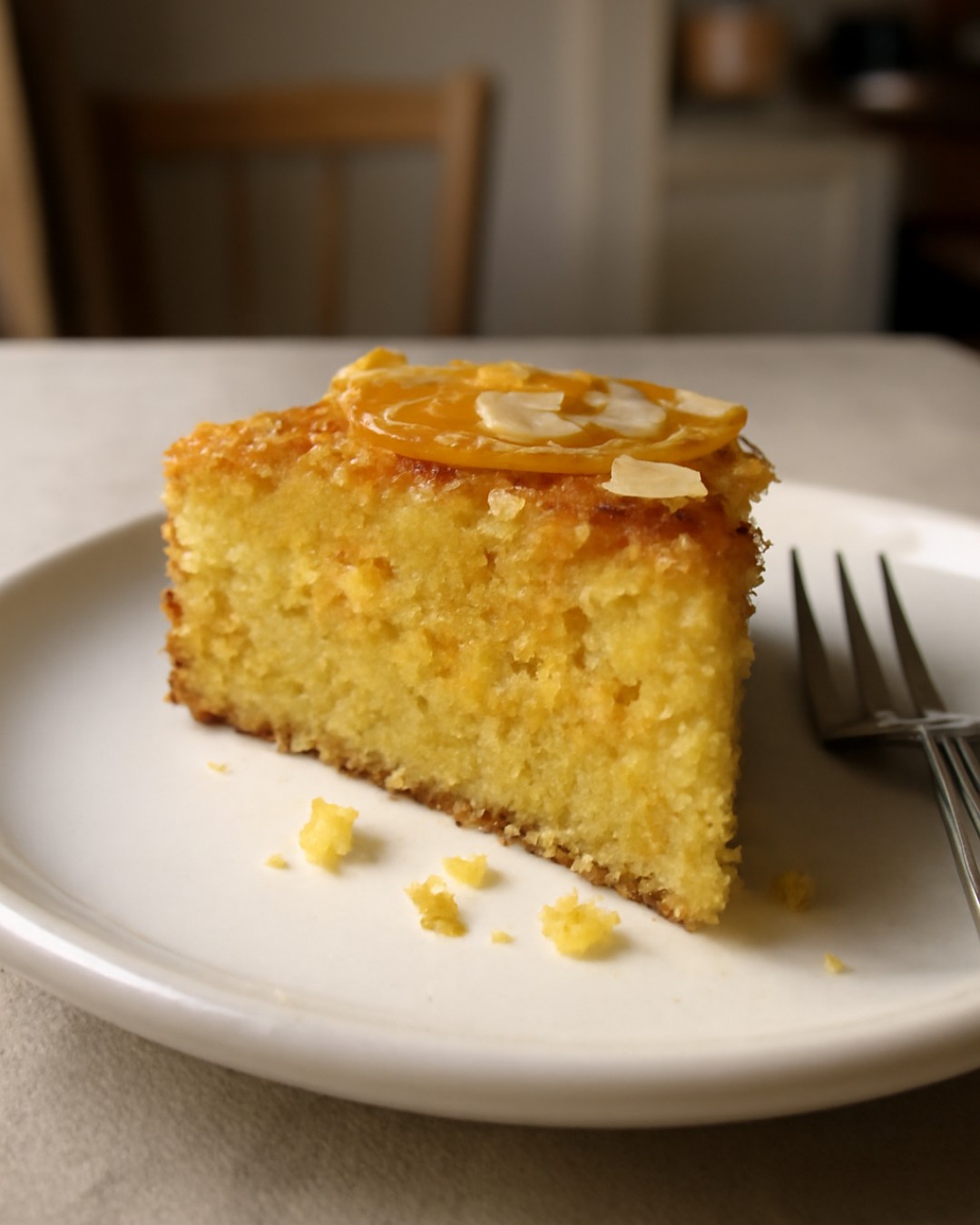
An orange almond polenta cake sits somewhere between rustic Italian tradition and modern gluten-free baking—and honestly, that’s exactly where it deserves to be. This isn’t a trendy reimagining of a classic cake. It’s a dessert that’s been showing up on Mediterranean tables for generations, quietly proving that you don’t need wheat flour to bake something genuinely sophisticated and delicious.
Why Orange Almond Polenta Cake Works
Here’s the thing about polenta cakes that most people don’t realize until they’ve actually tasted one: the texture is completely different from what you get with traditional flour-based desserts, and in the best possible way. Polenta—which is cornmeal ground to a specific fineness—creates a tender crumb with this subtle, almost pleasant grittiness underneath. It’s not sandy or unpleasant. It’s sophisticated. It’s intentional.
When you combine polenta with almond flour, you’re building layers of flavor and texture that work together. The almond flour adds moisture and richness while the polenta keeps things light and gives you that characteristic bite. Fresh orange juice and zest tie everything together with brightness, and suddenly you have an orange almond polenta cake that tastes indulgent without being heavy.
The natural gluten-free advantage is real—and it matters if you’re baking for someone with celiac disease or a gluten sensitivity. But even if you’re not, this cake works because it’s genuinely good, not because it’s a workaround. The flavor combination itself comes straight from Mediterranean baking traditions where citrus, almonds, and polenta have been paired for centuries. This isn’t a modern trend. It’s a time-tested combination that happens to be naturally gluten-free.
Key Ingredients: Understanding Polenta, Almond Flour, and Fresh Citrus
Before you start mixing, it’s worth understanding what each ingredient does in an orange almond polenta cake.
Polenta is cornmeal, but not all cornmeal is created equal for baking. You want polenta that’s finely ground—sometimes labeled as “polenta flour” or “cornmeal flour.” The grind matters because it affects how the cake bakes and how the texture comes together. Too coarse and you’ll feel grittiness in an unpleasant way. The right grind gives you that subtle texture contrast without any harshness.
Almond flour (also called almond meal) is ground, blanched almonds. Buy it from a reliable source and check the date—almond flour can go rancid if it sits around too long. It’s what makes this cake moist and gives it that subtle nutty flavor that plays beautifully with orange.
Fresh citrus is non-negotiable. Bottled orange juice won’t give you the same brightness, and the zest adds complexity that you absolutely need. Use oranges that feel heavy for their size—they’ll have more juice. One medium orange typically gives you about 3 tablespoons of juice and about 1 tablespoon of zest.
The rest of your ingredients—butter, eggs, sugar, baking powder, and salt—are straightforward. Use room-temperature ingredients when the recipe calls for it. This isn’t just baking advice. Room-temperature butter and eggs actually incorporate better into the batter, which affects how the cake rises and how tender it turns out.
Step-by-Step Orange Almond Polenta Cake Recipe
This recipe makes one 8-inch round cake, which serves about 8 people. The process is straightforward, and you don’t need any special equipment beyond what’s already in your kitchen.
Recipe Card Below
The recipe is formatted as a separate card for easy reference. Follow the ingredient list and instructions carefully—an orange almond polenta cake comes together quickly once you start mixing, so having everything measured and ready actually matters here.
Baking Tips for a Moist, Tender Polenta Orange Cake
I’ve made this orange almond polenta cake enough times to know what works and what doesn’t. Here are the things that actually matter:
Don’t skip the resting time in the pan. After you pull the cake out of the oven, let it sit in the pan for 10 minutes before turning it out onto a wire rack. This gives the structure time to set slightly, which means you’re less likely to end up with a crumbly mess when you flip it.
Use fresh baking powder. Baking powder loses its lift over time, and an orange almond polenta cake depends on baking powder to rise properly. If your baking powder has been in the cabinet for more than six months, grab a new container. It’s inexpensive and it makes a real difference.
Don’t overmix the batter. Once you’ve combined the wet and dry ingredients, mix just until they come together. Overmixing develops gluten in regular flour, but here it can make the cake dense. A few small lumps in the batter are fine.
Check for doneness with a toothpick or cake tester. Stick it into the center of the cake—it should come out with just a few moist crumbs clinging to it, not wet batter. If it’s still wet, give it another 2-3 minutes in the oven and check again.
Cool completely before glazing or frosting. A warm cake will cause any glaze or frosting to slide right off. Let it cool on the wire rack for at least 30 minutes, preferably longer.
Glazes and Toppings That Complement This Cake
An orange almond polenta cake is delicious on its own, but a simple glaze takes it somewhere special. Here are a few options:
Orange Glaze: Whisk together 1 cup powdered sugar, 2-3 tablespoons fresh orange juice, and a pinch of salt until smooth. Drizzle it over the cooled cake and let it set for about 15 minutes. The tartness of the orange juice balances the sweetness of the sugar perfectly.
Honey Drizzle: Warm 3 tablespoons honey with 1 tablespoon fresh orange juice and a tiny pinch of sea salt. Drizzle it over the cake while it’s still slightly warm. It’ll soak in slightly and add moisture and flavor.
Candied Orange Slices: If you want to get fancy, thin-slice an orange, simmer the slices in a simple syrup (equal parts sugar and water with a splash of vanilla) for about 10 minutes, then arrange them on top of the cake. It looks elegant and tastes even better.
Toasted Almonds: Scatter toasted sliced almonds over the top of the cake before serving. It adds crunch and reinforces the almond flavor that’s already baked in.
Storage and Make-Ahead Guide
One of the best things about an orange almond polenta cake is that it actually improves slightly after a day. The flavors meld together, and the texture becomes even more tender.
Room temperature storage: Keep the cake covered loosely with foil or under a cake dome for up to 2 days. Don’t wrap it too tightly or you’ll trap steam and make the top soggy.
Refrigerator storage: If you’ve glazed the cake or want to keep it longer, cover it and refrigerate for up to 4 days. Let it come to room temperature for about 30 minutes before serving—cold cake doesn’t taste as good as room-temperature cake.
Freezing: You can freeze an unglazed orange almond polenta cake for up to 2 months. Wrap it tightly in plastic wrap and then foil. Thaw it at room temperature for about 2 hours before unwrapping. You can glaze it after it’s thawed if you want.
Make-ahead tip: Bake the cake the day before you plan to serve it. Let it cool completely, then wrap it and store it at room temperature. Glaze it on the morning of serving. This approach means you’re not baking on the day of your dinner party, which always feels like a win.
How Polenta Cake Differs from Regular Cake
If you’ve never baked with polenta before, here’s what to expect from an orange almond polenta cake compared to a traditional flour-based cake:
Texture: Polenta cakes are denser and more tender than cakes made with all-purpose flour. They don’t rise as high, and that’s intentional. The crumb is more compact, almost like a cross between a cake and a quick bread.
Flavor: You get a subtle corn flavor underneath everything else—it’s not obvious, but it adds depth. This is why orange almond polenta cake works so well. The orange and almond flavors are bright enough to be the star, but the polenta adds something interesting in the background.
Moisture: Because of the almond flour and the polenta itself, these cakes tend to stay moist longer than traditional cakes. You don’t need to brush them with simple syrup or worry about them drying out.
Baking time: Polenta cakes bake faster than denser, heavier cakes because they’re less thick. Keep an eye on yours starting around the 25-minute mark.
Common Substitutions and Variations
The basic orange almond polenta cake formula is flexible. Here’s what you can change without completely throwing off the recipe:
Lemon instead of orange: Use fresh lemon juice and zest in place of orange. You might want to add an extra tablespoon of sugar since lemon is more tart. A lemon polenta cake is equally delicious.
Dairy-free butter: If you need a dairy-free version, use a 1:1 dairy-free butter substitute. The cake will bake the same way and taste nearly identical.
Coconut sugar or maple syrup: You can replace some of the regular sugar with coconut sugar or use maple syrup (reduce the liquid slightly if using syrup). These changes will alter the flavor slightly—the cake will taste less bright and more earthy—but it still works.
Add fresh rosemary: If you want to get creative, add 1 teaspoon of finely chopped fresh rosemary to the batter. Rosemary and orange are a classic pairing, and it adds an herbal note that’s really interesting.
Polenta-only or mixed flour: If you want a less dense version, you can replace some of the polenta with regular all-purpose flour (though the cake won’t be gluten-free). Try a 50/50 split if you want something in between. Just know that the texture will change—it’ll be lighter and less tender.
Why You’ll Love This Cake
Here’s what I love about serving an orange almond polenta cake to people: it looks elegant and sounds fancy, but it’s actually straightforward to make. There’s no special equipment, no complicated technique, no ingredients you can’t pronounce. It’s a cake that works for dinner parties and weeknight desserts equally well. It’s naturally gluten-free without tasting like a substitute. And it tastes like you spent way more time on it than you actually did. That’s the whole point, honestly. Real cooking should bring joy, not stress.
For more on storing and handling ingredients safely, see the FDA’s safe food handling guidelines.
Orange Almond Polenta Cake
A naturally gluten-free Italian-style cake with a tender crumb, subtle corn flavor, and bright citrus notes. Made with polenta, almond flour, fresh orange juice, and zest.
Ingredients
- 1 cup (120g) polenta flour (finely ground cornmeal)
- 1 cup (100g) almond flour
- 1½ teaspoons baking powder
- ½ teaspoon salt
- ½ cup (115g) unsalted butter, room temperature
- ¾ cup (150g) granulated sugar
- 3 large eggs, room temperature
- ⅓ cup fresh orange juice
- 2 tablespoons fresh orange zest
- ½ teaspoon vanilla extract
Instructions
- Preheat your oven to 350°F (175°C). Grease an 8-inch round cake pan and line the bottom with parchment paper.
- In a medium bowl, whisk together the polenta flour, almond flour, baking powder, and salt. Set aside.
- In a large bowl, cream together the room-temperature butter and sugar until light and fluffy, about 2-3 minutes. Scrape down the sides of the bowl as needed.
- Add the eggs one at a time to the butter mixture, beating well after each addition. The mixture should look pale and slightly thick.
- Stir in the fresh orange juice, orange zest, and vanilla extract until just combined.
- Add the dry ingredients to the wet ingredients and fold together gently with a spatula until just combined. A few small lumps are fine—do not overmix.
- Pour the batter into the prepared pan and smooth the top with a spatula.
- Bake for 30 to 35 minutes, until a toothpick inserted into the center comes out with just a few moist crumbs attached. The top should be golden brown.
- Let the cake cool in the pan for 10 minutes, then turn it out onto a wire rack to cool completely, at least 30 minutes, before glazing or frosting if desired.
Notes
Total time includes 10 minutes of cooling in the pan plus 30 minutes of cooling on a wire rack. Room-temperature ingredients mix more smoothly and create a better texture. Use finely ground polenta flour (not coarse cornmeal) for the best results. Fresh orange juice and zest are essential—bottled juice will not provide the same brightness.
Storage
Store covered at room temperature for up to 2 days, or refrigerate for up to 4 days. Freeze unglazed cake wrapped tightly in plastic wrap and foil for up to 2 months. Thaw at room temperature before serving.
Frequently Asked Questions
Can I make an orange almond polenta cake without almond flour?
You can, but the texture and flavor will change significantly. Almond flour adds moisture and richness that’s important to the cake’s appeal. If you need a nut-free version, try replacing it with an equal amount of all-purpose flour or gluten-free flour blend, though the cake won’t have the same tender crumb or nutty undertone.
What’s the difference between polenta flour and cornmeal?
Polenta flour is finely ground cornmeal, sometimes called cornmeal flour. For baking, you want the finely ground version. Coarse cornmeal will give you a gritty texture that’s unpleasant in a cake. Check the label to make sure you’re buying polenta flour or fine cornmeal, not polenta (the cooked dish) or coarse cornmeal.
Can I use bottled orange juice instead of fresh?
Technically yes, but fresh juice tastes noticeably better. Bottled juice has been pasteurized and sometimes contains additives that dull the bright citrus flavor. The zest is also important—it adds complexity that you can’t get from juice alone. If you must use bottled juice, use a high-quality brand and increase the zest to compensate.
Is an orange almond polenta cake actually gluten-free?
Yes, this recipe is naturally gluten-free because it uses polenta and almond flour instead of wheat flour. However, make sure your baking powder is certified gluten-free if you’re baking for someone with celiac disease, as some baking powders may contain gluten-containing additives.
Why is my polenta cake dense and heavy?
Polenta cakes are naturally denser than regular flour cakes, but if yours is too heavy, the most likely culprit is overmixing. Mix the wet and dry ingredients just until combined. Also check that your baking powder is fresh (less than 6 months old) and that you’re using finely ground polenta flour, not coarse cornmeal.
Can I make this cake dairy-free?
Yes. Use a 1:1 dairy-free butter substitute in place of regular butter. The cake will bake the same way and taste nearly identical. Make sure any other ingredients (like baking powder) are also dairy-free if needed.
How long does an orange almond polenta cake stay moist?
Because of the almond flour and polenta, this cake stays moist for 2-3 days at room temperature when covered loosely. It actually tastes better on day 2, once the flavors have had time to meld. Refrigerating extends the shelf life to about 4 days.
Can I freeze an orange almond polenta cake?
Yes. Wrap an unglazed cake tightly in plastic wrap and then foil, and freeze for up to 2 months. Thaw it at room temperature for about 2 hours before unwrapping. You can glaze it after thawing if desired.
thanks you for recipe